Showing posts with label 2011. Show all posts

2011 Taiwan Trip: Taipei Back to Tokyo

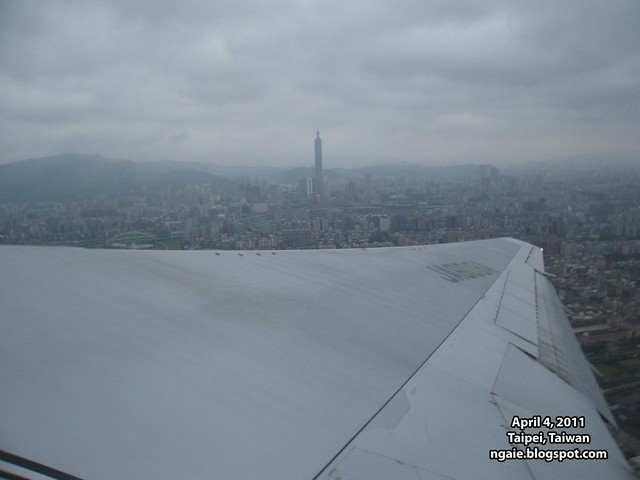
April 4, 2011 was our last day in Taipei ending our week long trip to Taiwan. On this day our flight was in the afternoon so we still had the morning to explore a little bit of Taipei before we left.

Takeoff from Taipei's Songshan Airport on a cloudy day with the Taipei 101 building sticking out in the background.

IMG_2652

2011 Taiwan Trip: Taipei - Martyrs Shrine, Grand Hotel and Maokong

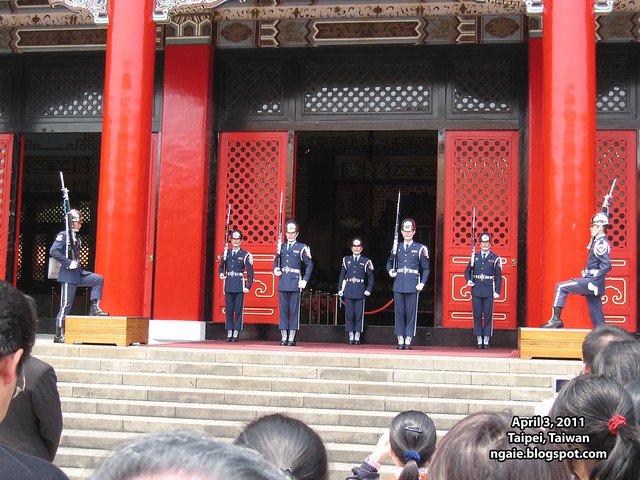
On April 3, 2011, during the last full day of our Taiwan trip in 2011, we explored a bit more of Taipei. We went to visit the Martyrs' Shrine had a buffet lunch at the Grand Hotel and went to Maokong.

Changing of the guard at the Martyrs' Shrine.

IMG_2589

2011 Taiwan Trip: Presidential Building (總統府) and Tamsui (淡水)

During our Taiwan trip in 2011, on April 2, 2011, we explored a bit more of Taipei after getting out of the Taipei area for the previous 2 days to visit Taichung and Kaohsiung.

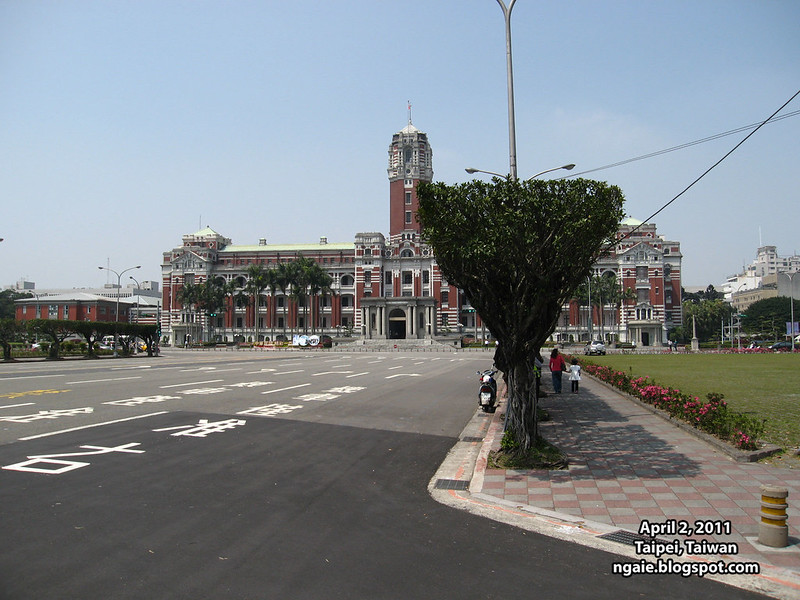
We were lucky that our trip coincided with the official open house of the Presidential Office Building of the Republic of China (Taiwan) that only happens once per month and on that month it happened to fall on April 2 so the first thing we did that day was visit the Presidential Office Building.

The Presidential Office Building from a distance.

IMG_2459

2011 Taiwan Trip: Taiwan by High Speed Rail - Taichung (台中) and Kaohsiung (高雄)

On March 31, 2013 and April 1, 2013, on our week long Taiwan trip, we went to Taichung (台中) and Kaohsiung (高雄) respectively.

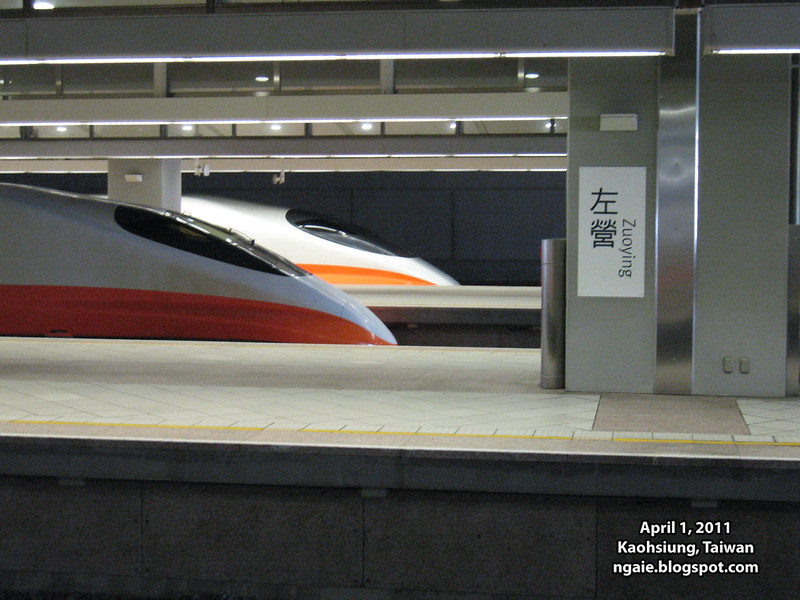
One of the major reasons was to try out Taiwan's high speed rail line which opened in 2007 and to see how it compared to Japan's Shinkansen. Unfortunately, at the time, Taiwan High Speed Rail did not offer a rail pass for tourists like Japan and other European countries, but luckily the ticket prices were not so expensive, compared to say, that of Japan's.

Also we wanted to see how other cities in Taiwan looked like outside of its capital of Taipei. Since our hotel booked for the week was in Taipei, we had to pick some destinations which would work for a day trip. From the guidebooks it seemed like Taichung and Kaohsiung would be interesting places to visit...

The high speed trains of Taiwan with the distinctive orange stripe. What is interesting is that the only other places that uses Japanese Shinkansen trains for high speed rail are Taiwan and China, with Taiwan using the newer model while China uses the slightly older one. The trains that Taiwan uses are actually a derivative of the trains that run on the Tokaido Shinkansen line in Japan.

IMG_2367

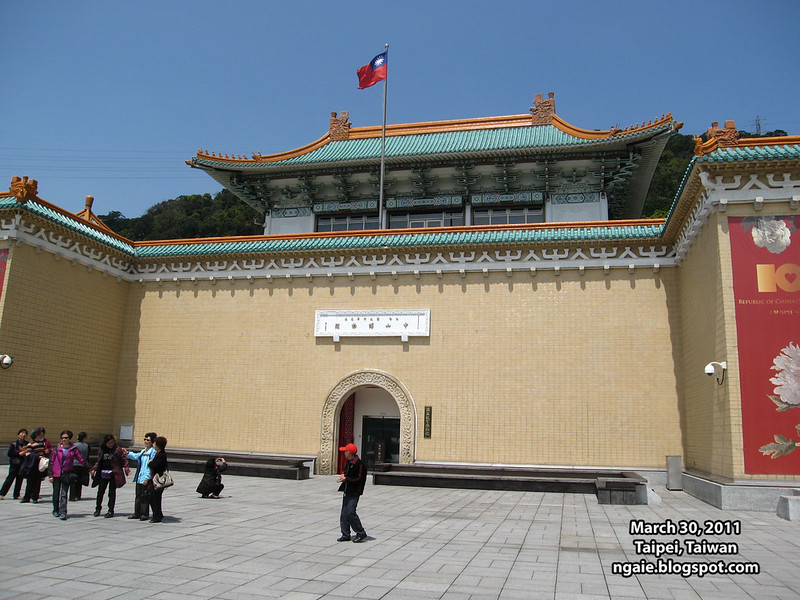
2011 Taiwan Trip: Taipei - National Palace Museum, Official Residences and Markets

On our second day in Taipei on March 30, 2011, visiting museum and museum-like attractions took up the bulk of our day.

The main museum that we visited on that day, the National Palace Museum (國立故宮博物院) from the outside, designed as a fusion of 1960s architecture combined with traditional Chinese architecture.

IMG_2297

2011 Taiwan Trip: Taipei - Presidents and Towers

March 29, 2011 was the second full day of our week long trip to Taiwan. It was my first trip to Taiwan and my mom's first trip to Taiwan in 20 years. On this day we mostly spent the time exploring Taipei.

My mom had heard that Taipei had been "completely rebuilt" after the devastating 1999 earthquake and wanted to see how "modern" Taipei had become since the last time she had visited ages ago.

The symbol of Taipei, the Chiang Kai-shek Memorial Hall.

IMG_2126

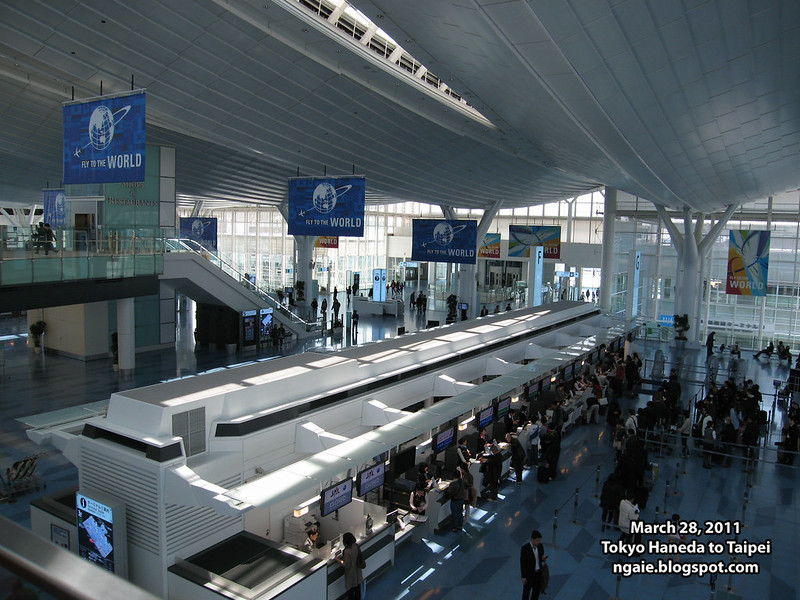
2011 Taiwan Trip: Flight from Tokyo Haneda to Taipei

On March 28, 2011, as a continuation of the almost one month long trip that I took with my mom when she visited me in Japan while I was studying there, we flew to Taiwan for a 1 week trip.

I booked the hotel and flight package from Rakuten Travel and it was surprisingly cheap. The 7 nights, 8 days package including the airfare cost 140,000 yen (US$1400) for 2 people. That is like 70,000 yen (US$700) per person for 7 nights in a hotel and the airfare!

The airline in the package was All Nippon Airways and the flight was from Tokyo Haneda airport to Taipei Songshan instead of the much farther Tokyo Narita airport. Because international flights from Tokyo Haneda airport are usually targeted to business travellers, the flight tickets are usually much more expensive, thereby making this hotel and flight package even more of a deal!

Historically, Tokyo Haneda airport was designated for domestic flights while Tokyo Narita airport was designated for international flights. At the time, they changed the laws to allow for short distance international flights to Asia at Tokyo Haneda airport so an international terminal was newly built.

The brand new international terminal at Tokyo Haneda airport.

IMG_2064

The JR East Railway Museum in Omiya in March 2011

During the week at the end of March when me and my mom were visiting the Tokyo and Yokohama area, on March 25, 2011, we took a day trip to the northern suburbs of Tokyo, to Omiya in Saitama Prefecture to visit the JR East Railway Museum.

Now normally visiting a railway museum would seem like a dull experience for people who are not railway fans but this museum seemed designed to cater to everyone of every demographic.

One of the reasons is that railways are to Japan how cars are to America. Railways are embedded in the ordinary life in Japan and also in the cultural psyche. If one lives in a large city in Japan, he would most likely take the train to go to work or to go shopping and if he was to do any domestic traveling, he would probably also take the train to get there.

In fact, one of the high speed Shinkansen rail lines in Kyushu was opened on March 12, 2011, one day after the 3/11 earthquake/tsunami disaster, and as a result, all the opening ceremonies were closed and an excellent heartwarming commercial produced to advertise for the Kyushu Shinkansen was not aired on TV. (Its popularity exploded on the Internet and it ended up winning international awards for advertising)

The entrance of the railway museum, because of the ongoing power shortage caused when all nuclear reactors were ordered to be taken offline following the nuclear disaster, the opening hours were cut short to 10 am to 4 pm.

IMG_1864

Tokyo and Yokohama During the 3/11 Disaster

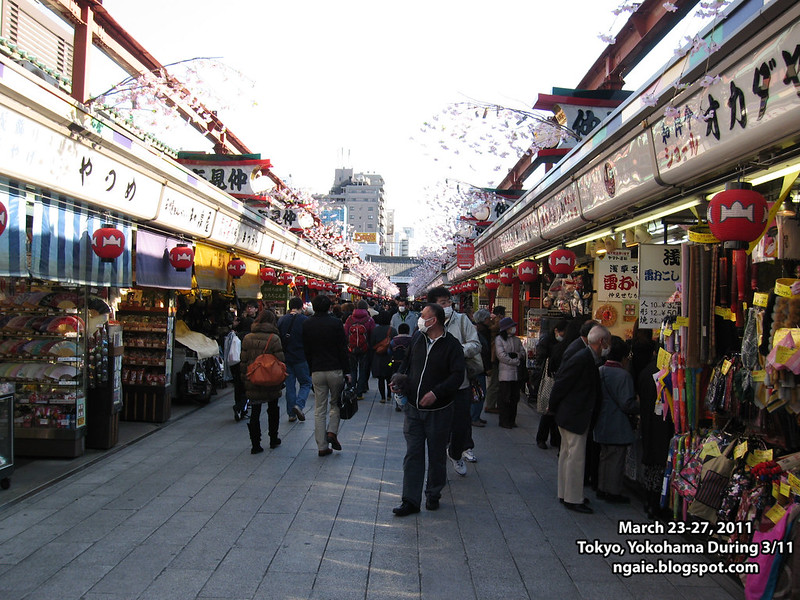
I visited Tokyo and Yokohama from the March 23 to March 27, 2011 when my mother came to visit me in Japan during the spring of 2011. This is a continuation of our trip that started in Osaka on March 10, 2011, one day before the biggest disaster to hit Japan in recent memory occurred. After visiting the Kansai region, we went to Okinawa and then flew back to Fukuoka, stopping at Nagasaki for a day before spending a couple of days in Hiroshima. Afterwards we took a night bus (never again) to Tokyo on March 23, 2011.

At this time, it was my first time back in Tokyo after I had left in 2006 when I was as an exchange student at Tokyo University of Foreign Studies.

Because the Tokyo area was moderately affected by the earthquake/tsunami/nuclear disaster (the 3/11 disaster), many foreigners living in Tokyo at the time were hysterically leaving for home via their embassies or for "safer" areas like the Kansai area or even places like Hong Kong because paranoia over radiation concerns. Instead because we had already booked and planned everything, we decided that it was safe to visit and it was indeed safe during our time there. In addition, there were less crowds!

The only odd thing that happened was that due to all the nuclear reactors being in shutdown mode as a precautionary measure, there were fears of a power shortage so in order to conserve energy, the train operators decided not to turn on any of the lights inside the trains during the overground sections. It felt weird to be riding the JR Yamanote Line in the dark with only sunlight coming through the windows.

The Nakamise-dori in front of the Sensoji Temple in Asakusa.
IMG_1997

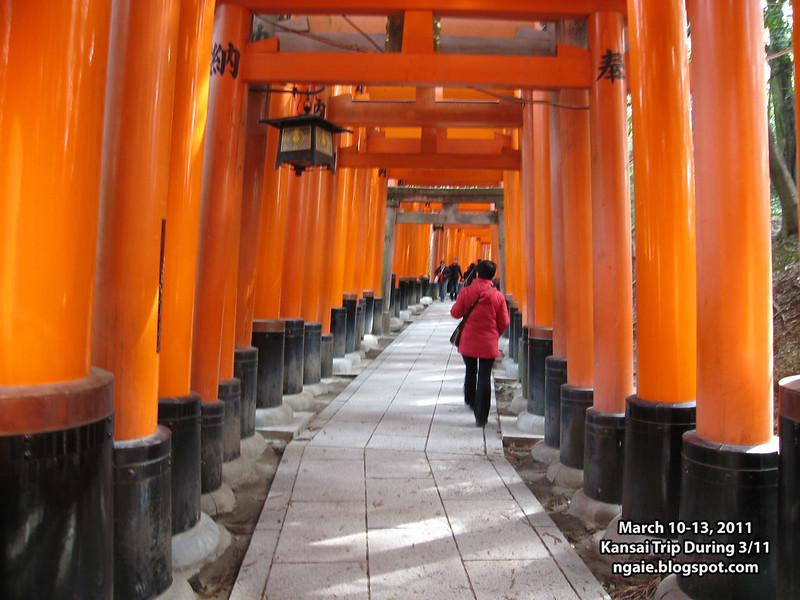
Kansai Trip During the 2011 3/11 Disaster

More than two years have passed since the devastating earthquake and tsunami disaster (3/11 Disaster) that hit the Tohoku area in northeastern Japan on March 11, 2011 and during that time, I was an international student studying in graduate school in Hiroshima on the opposite side of where the disaster hit in Japan. While going through my files, I discovered some photos I had not yet posted and those were the ones taken while I was traveling in the Kansai region during that time.

In the beginning of 2011, my mom made travel plans to visit me during the Japanese university academic calendar spring vacation (from February to the end of March) and we started off by visiting the Kansai (Osaka, Kobe and Kyoto) region.

So what was it like to be in Japan during the 3/11 Disaster in the Kansai region in western Japan? Surprisingly normal.

The Fushimi Inari Shrine (伏見稲荷大社) that we visited in Kyoto on March 12, 2011.

IMG_1525

Kobe: New Towns, Arima Onsen (有馬温泉) and Mt. Rokko (六甲山)

On December 31, 2011, I visited Kobe, Japan (神戸) again as part of a trip to the Kansai (関西) area because luckily I had a Japanese classmate who was going back to his hometown in the Kansai area for the New Years Holidays and I could share a ride in his car for the 4 hour journey from the campus of Hiroshima University to the Kobe suburban town of Kakogawa (加古川).

I actually arrived in Kobe the previous day at around mid-afternoon and I stayed at a hotel north of the main Sannomiya (三宮) railway station called the Hotel Area One. In all my travels around Japan, it was one of the worst stays I ever had in a hotel. The hotel was located right behind a shrine and in preparation for the new year, the shrine was open for some sort of festival the entire night and because buildings in Japan generally have poor noise insulation, from the room, the noise was so loud that I could hardly sleep!

Generally in my opinion, there are not a good range of easily accessible hotels in Kobe, it is often better to stay in a hotel in Osaka and just take the 30 minute train ride to Kobe as there is a large selection of affordable and cheap hotels in Osaka.

One of the reasons for visiting Kobe (again) was to see the areas of Kobe that I had never seen before this was mainly the Kobe new town suburbs, Arima Onsen (有馬温泉) and Mt. Rokko (六甲山).

One of the interesting things I saw by chance in Kobe, the Gigantor (鉄人28号, Tetsujin 28-gō) statue.

IMG_0203

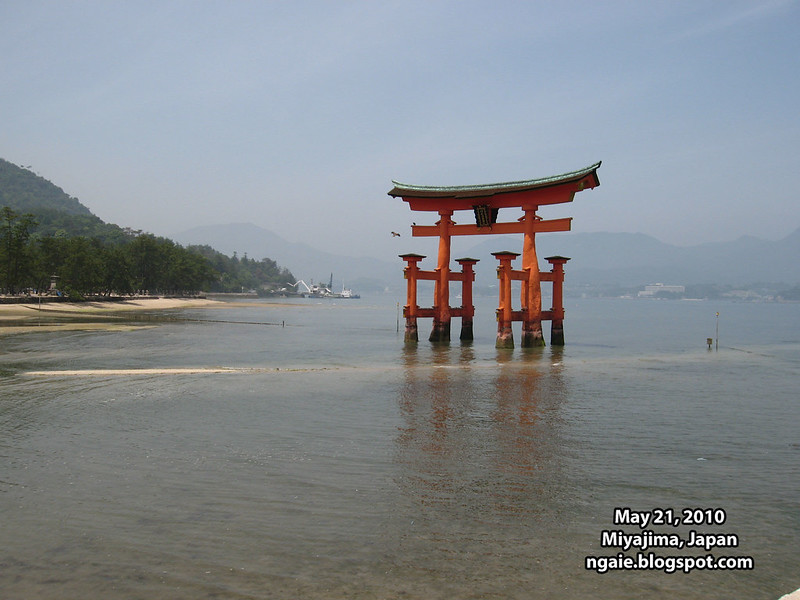
The Many Visits to Miyajima

Miyajima is famous for being one of Japan's three best views and is also the home of the iconic floating torii that is usually featured in the travel books and pamphlets on Japan.

I have now been to Miyajima too many times. Four times in fact, first in 2004 on my first visit to Japan, and then two times in 2010, one time for a school field trip and one time when I went with a visiting friend, and then one time in 2011 for a travel survey. That's quite a lot of times going to a place whose sole tourist attraction is basically the floating torii and shrine!

In this post, I will show pictures taken during my 2010 and 2011 visits.

The famous floating torii.

IMG_0244

Kure (呉) - Imperial Japan's Naval Past

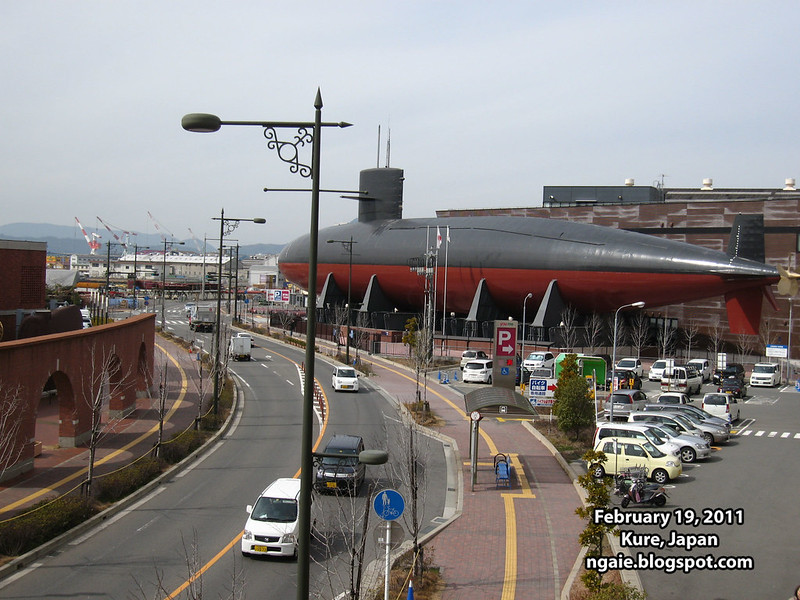
On February 19, 2011, I visited Kure, Japan (呉) as part of a travel survey I was paid to do by a consulting company. Because the local government wanted to increase the number of foreign tourists visiting the area, they hired a consulting company to look at and to asess the tourism facilities, mainly the transport facilities. As a result, the consulting company contacted our university and asked a couple of foreign students from a couple of different countries to take part in a survey of the transport facilities around Kure.

Basically I was paid to follow a set travel route and to take pictures and note down any difficulties in using the transport system to get to the tourist spots.

Kure is about 31 minutes by train southeast of Hiroshima and is famous for its naval past in Imperial Japan.

The Japan Maritime Self-Defence Force Kure Museum with the giant submarine in the entrance.

IMG_1353

Nagasaki - The Birthplace of Champon

After arriving in Fukuoka from the trip to Okinawa on March 17, 2011, we stayed in Fukuoka for one night before taking a bus from Fukuoka to Nagasaki on March 18, 2011.

This was the second time I had been to Nagasaki. I first visited Nagasaki while I was an undergraduate short term exchange student back in 2006. I posted about that visit here and here in 2006. (Note: it is interesting to see what I wrote back then as a someone who was new to Japan compared to now where I feel like an old Japan hand)

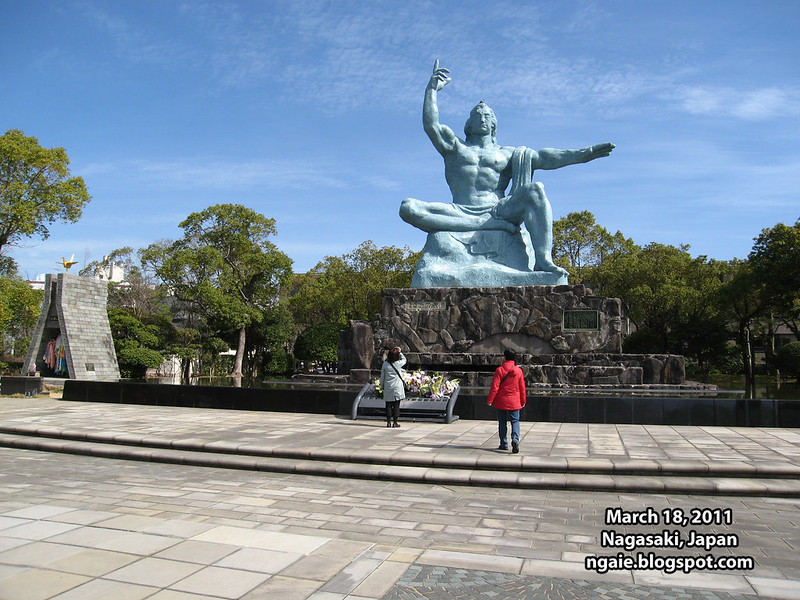
Nagasaki, in recent history, is infamous for being the second place ever to be bombed with an atomic bomb. The first place was Hiroshima, also in western Japan. However, long before the atomic bombing, in the pre-modernization era feudal era, Nagasaki was one of the first and only places where foreign influences entered Japan. Especially Chinese and other European influences.

One of the modern symbols of Nagasaki. At the Peace Park. I personally think it looks really weird.

IMG_1752

Okinawa Island: The Land of American Military Bases in Japan

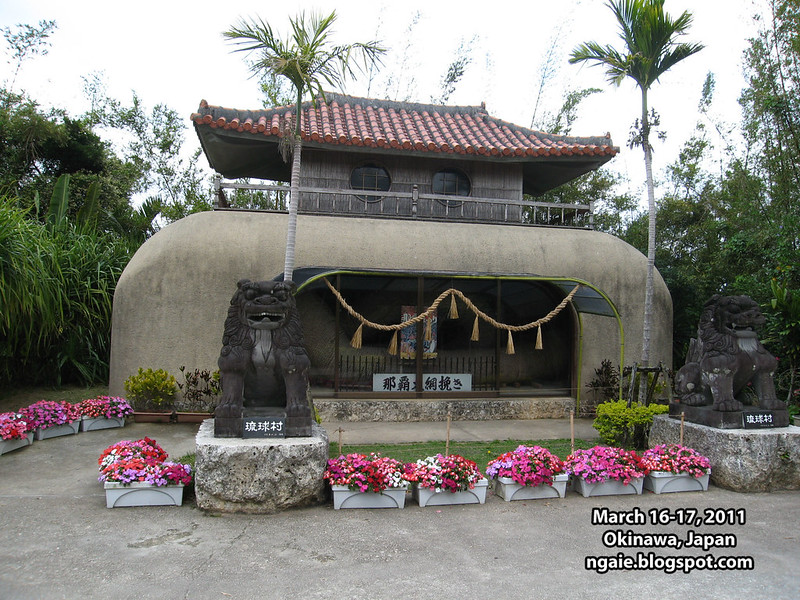
Previously, I posted about the first 2 days of my trip to Okinawa in 2011. This post covers the last 2 days of my trip on March 16 and 17 in 2011.

We went to Ryukyu Mura, the Chatan/Mihama area and Okinawa City.

IMG_1655

Okinawa - Naha: The Most Foreign Looking Place in Japan

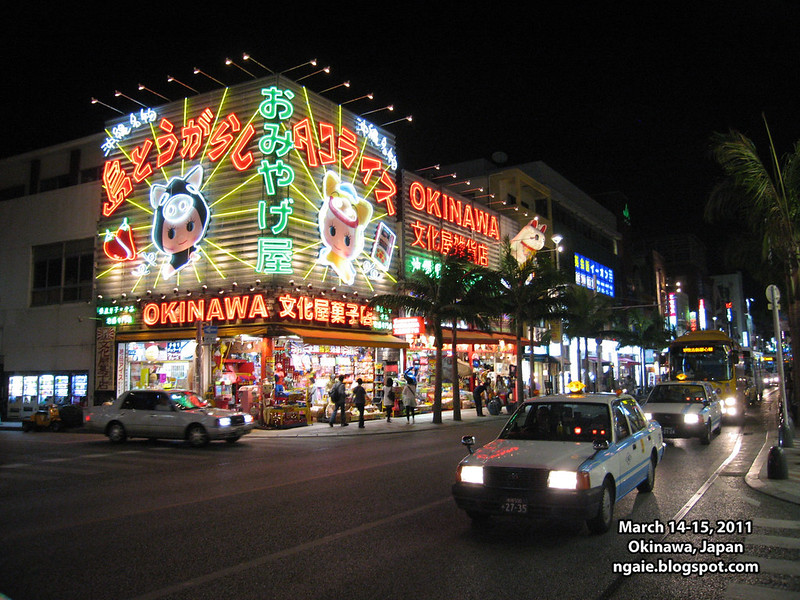
From March 14-17, 2011, when my mother visited me in Japan, we visited Okinawa, sometimes known as "Japan's Hawaii". Having been to Hawaii a long time ago, I was interested to see how Okinawa compares to Hawaii.

This post covers the first 2 days of the trip (March 14-15) when we flew from Kobe, Japan to the Okinawa prefectural capital of Naha.

The shopping street aimed strictly at tourists in Naha, Kokusai-dori (国際通り). The most interesting thing is that almost everything in Okinawa, unlike on mainland Japan, was aimed at tourists. More precisely, Japanese domestic tourists, for whom, Okinawa feels like visiting a foreign country, yet everyone knows how to speak standard Japanese.

IMG_1570

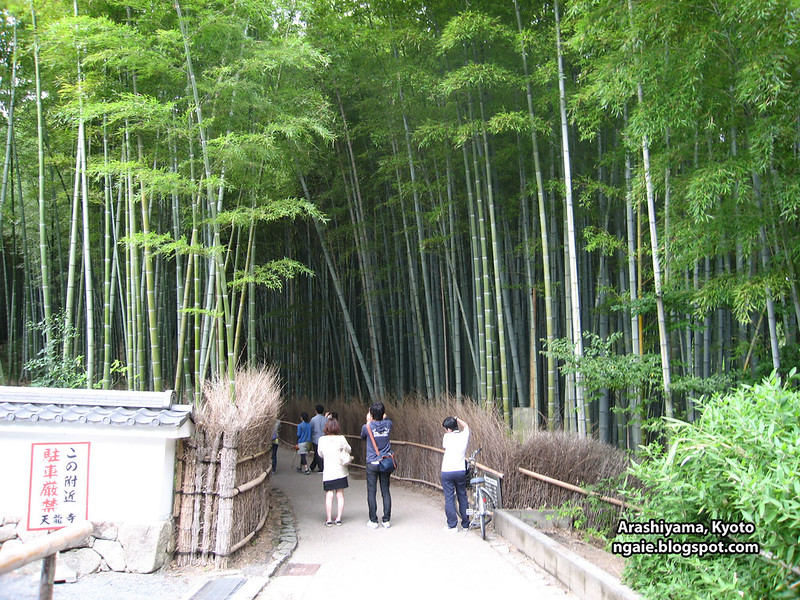
Kyoto Arashiyama (嵐山)

The Arashiyama (嵐山) district is one of the most popular areas of Kyoto. It is located in the western end of Kyoto and looks spectacular in the spring when the cherry blossoms bloom or when the leaves change colour in the fall.

Unfortunately, during the 2 times that I visited Arashiyama, I missed both the optimum seasons to visit because of school commitments. The following is a complication of photos that I took during my visits in September 2010 and December 2011.

One of the main attractions in Arashiyama is this bamboo forest.

IMG_0863

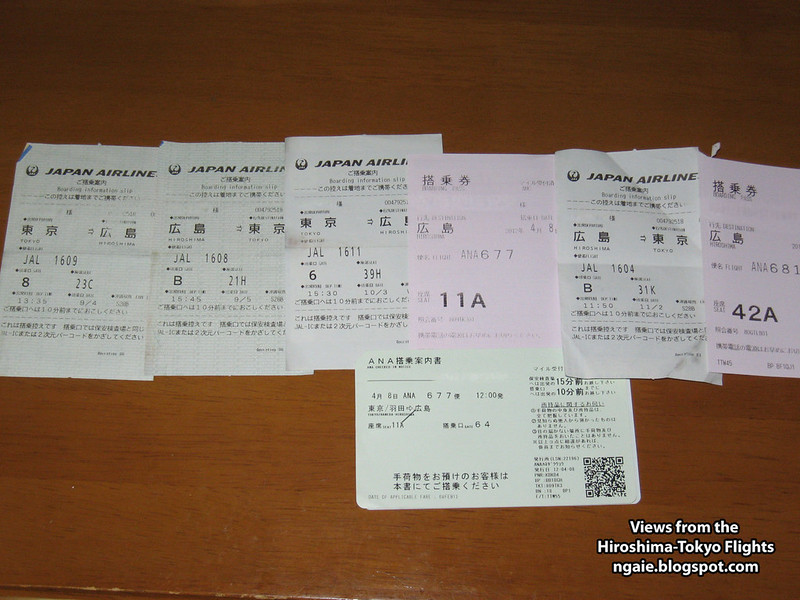
Bird's Eye Views from Tokyo-Hiroshima Flights

Due to 3 internships at 3 different times of the year and 1 field research in Tokyo, I have taken the flight from Tokyo Haneda to Hiroshima more times than any other route that I have previously flown. In total, I have this segment 8 times on both Japan Airlines and All Nippon Airways including one time on one of the first Boeing 787s ever delivered.

There are various reasons why I choose to take the plane over taking the Shinkansen (high speed rail) and the main reason is cost. Shinkansen tickets are expensive (15,000 yen one way, $180~) and are never discounted while if you book airplane tickets more than 1 month in advance, the price can be as low as 11,000 yen, $133~.

The Shinkansen takes 4 hours from train station to train station and the flight takes 1.5 hours so if you add in access time, the time required is around the same.

The side benefit of taking the flight is that you get to see spectacular bird's eye views of Japan ^^

In this post, I complied the pictures I took from various flights that I had taken.

IMG_5973

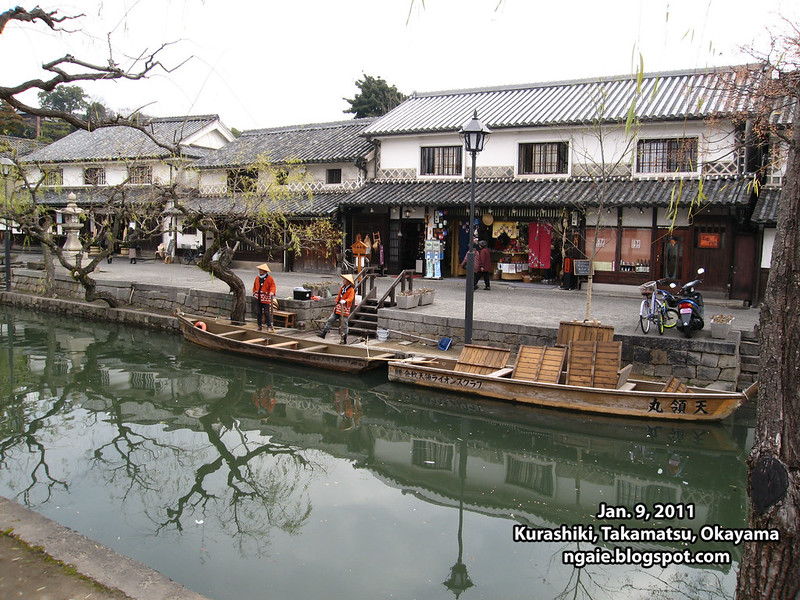
Kurashiki (倉敷), Takamatsu (高松) and Okayama (岡山)

The following pictures are from a day trip that a friend and I went on January 9, 2011 to Kurashiki (倉敷), Takamatsu (高松) and Okayama (岡山). The reason for this trip was because I had 2 times remaining on the 5 day non-consecutive local train pass (stops at every stop) called the Seishin 18 Kippu (青春18きっぷ) and I had to use it before the pass expired. Due to being located in such an isolated area such as Hiroshima, the closest interesting day trip via local train were to these 3 cities.

After around 2 hours on the train we arrived in Kurashiki where the main attraction is the preserved canal area that retains the atmosphere of "old Japan".

IMG_1248

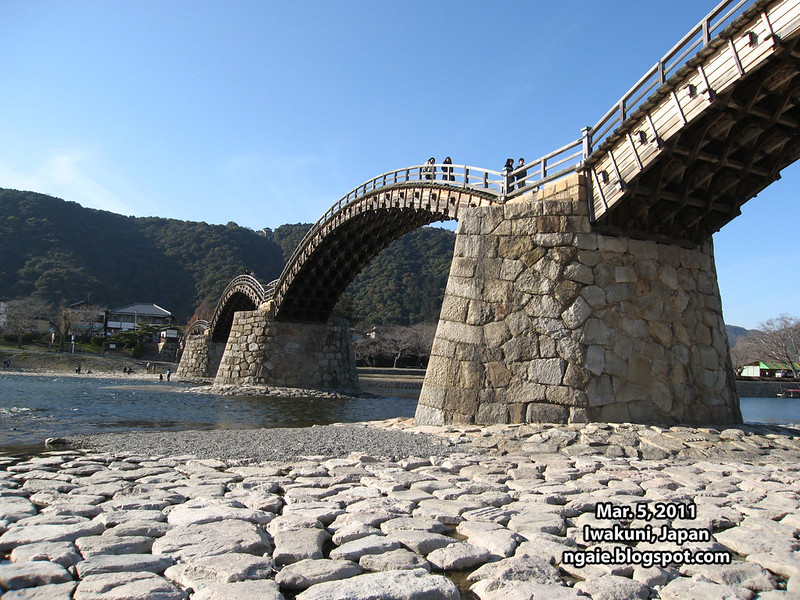
Kintai Bridge (錦帯橋) and Iwakuni Castle (岩国城)

Like all tourist attractions in the Hiroshima area, by now, I have been to almost all tourist attractions at least 2 times. Therefore this post is a combination of two separate visits during 2011, one on March 5, 2011 for a paid travel survey and one on Nov. 28, 2011 as part of a school trip with my laboratory classmates.

The pictures with the blue sky are from March 2011 and the pictures with the grey sky are from November 2011.

I had actually been to Iwakuni three times now. The first time was in May of 2010 for the American military base's open house.

The main attraction of Iwakuni is the Kintai Bridge (錦帯橋) and is know as one of "Japan's famous three bridges" (日本三名橋). The other bridges being Megane Bridge (眼鏡橋) in Nagasaki and Nihonbashi (日本橋) in Tokyo.

IMG_1472